Parent-Child Swim Lessons
Swim lessons for babies and toddlers, 3–36 months, with a parent or caregiver in the water. Classes build water comfort and the foundations of survival and self‑rescue.
- Ages
- 3–36 months
- Main goal
- Water comfort
- Level
- 1 of 7
- Next level
- Little Learners
Two goals for every class
Comfort in the water
Play and supported practice help babies build a positive relationship with the water early.
Enjoying the water
Babies relax and enjoy being in the water.
Growing independence
Needing less physical support over time.
Automatic survival responses
Repetition builds responses used in self‑rescue, including breath control, rolling to the back, and floating.
Breath & Submersion
Comfort underwater with appropriate breath responses.
Rolling & Back Floating
Moving toward the back and maintaining a safer float.
What happens in a Parent-Child class
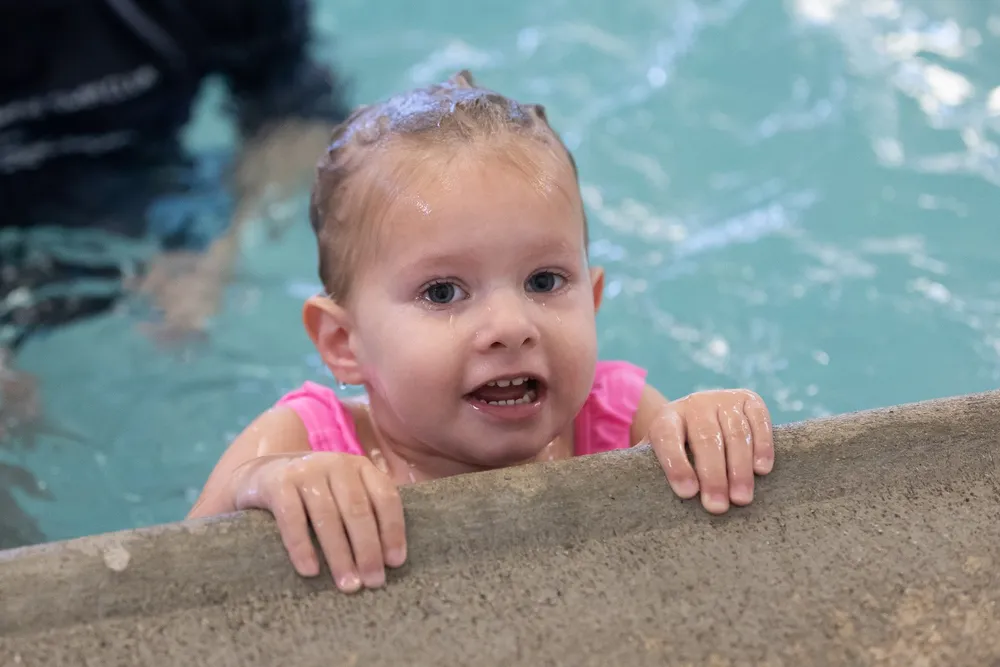
You’re in the water
A parent or caregiver participates while the coach leads.
Lots of repetition
Important movements are practiced through songs, play, and activities.
Built around your swimmer
We adjust to comfort, readiness, and development.
Not sure this is the right level?
Swimmers are placed by skill, not just age. Answer a few quick questions and we’ll point you to the right level.
Find My Swimmer’s LevelParent-Child Swim Lessons FAQ
Ready to Get Started?
Tell us what you're interested in and where you'd like to swim, and we'll walk you through the next steps.
- 1Tell Us What You're Looking For
- 2Choose Your Location
- 3We'll Help You Get Started
Nothing is booked or charged until you've talked with our team.